
Our Practice

THE ART OF PLASTIC SURGERY
Serving Philadelphia and the
surrounding Delaware Valley

Plastic Surgery Philadelphia

Patients who undergo plastic surgery may look forward to gaining self-confidence and a sense of well-being from looking, feeling and functioning at their best. For those who wish to enhance their appearance, today’s cosmetic surgical procedures offer patients the opportunity to reshape physical features and improve their self-esteem.

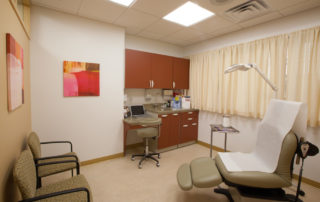
Dr. Scott Brenman‘s goal is to provide comprehensive, purposeful plastic and cosmetic surgical services of the highest standard to all his patients. It is his ongoing commitment to provide an environment of comfort and safety and to treat each patient with respect, dignity, and compassion.

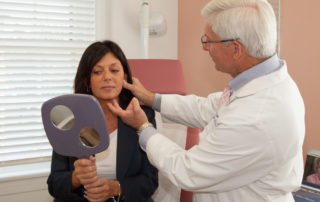
Prior to your surgery, Dr. Scott Brenman will first consult with you to learn about your personal situation, and to discuss your objectives and concerns. He will advise you of the potential results of the procedure and provide you with additional information concerning the long-term results.

Practice Philosophy

Dr. Scott Brenman and staff at the Pennsylvania Centre for Plastic Surgery are a team of highly skilled professionals, dedicated to offering you the finest quality surgical and personal care possible. We have found that plastic surgery patients often feel more positively about themselves after their operation, and we are here to help you set realistic goals and to enjoy the positive impact that plastic surgery can have on your life.

Everyone at our office is at your service.

Neck Lift Philadelphia

Special Areas of Interest

Aesthetic Surgery
Incorporating the latest advances in:

Our Practice FAQs

A warm, patient-friendly guide to the practice, consultation process, and available procedure categories
These FAQs provide general information from the Our Practice page. A personal consultation gives patients the opportunity to discuss their health, anatomy, goals, and available options in greater detail.
The Pennsylvania Centre for Plastic Surgery provides plastic and cosmetic surgical services for patients in Philadelphia and the surrounding Delaware Valley. New patients can use this information as a starting point when deciding whether the practice feels aligned with their needs.
The pennsylvania centre for plastic surgery helps set the tone for communication, planning, and support throughout the patient experience. The Pennsylvania Centre for Plastic Surgery provides plastic and cosmetic surgical services for patients in Philadelphia and the surrounding Delaware Valley.
During consultation, the team can explain how The Pennsylvania Centre for Plastic Surgery relates to your goals, health history, procedure options, and next steps.
Every patient brings a different medical history, anatomy, lifestyle, and set of priorities. The practice uses those details to make conversations about The Pennsylvania Centre for Plastic Surgery personally relevant.
The pennsylvania centre for plastic surgery can help patients feel informed and supported as they consider elective surgery. It is one of several important factors to evaluate alongside qualifications, communication, and treatment options.
Share your goals, health history, preferences, previous procedures, and any questions you would like addressed. Clear information helps the team make the discussion of The Pennsylvania Centre for Plastic Surgery more useful to you.
A consultation creates time to review The Pennsylvania Centre for Plastic Surgery in the context of your personal situation. You can receive clear explanations and decide whether you feel comfortable moving forward with additional planning.
Helpful questions may cover what to expect, who will participate in your care, how communication is handled, and how the practice tailors recommendations to individual patients.
Write down your priorities and questions before the visit, and bring relevant medical information when requested. This can help you have a focused, comfortable conversation about The Pennsylvania Centre for Plastic Surgery.
The team can provide additional details and explain how this approach relates to your individual needs. The Our Practice page also provides an overview that can help you prepare for a consultation.
Dr. New patients can use this information as a starting point when deciding whether the practice feels aligned with their needs.
The practice’s mission helps set the tone for communication, planning, and support throughout the patient experience. Dr.

During consultation, the team can explain how the practice’s mission relates to your goals, health history, procedure options, and next steps.
Every patient brings a different medical history, anatomy, lifestyle, and set of priorities. The practice uses those details to make conversations about the practice’s mission personally relevant.
The practice’s mission can help patients feel informed and supported as they consider elective surgery. It is one of several important factors to evaluate alongside qualifications, communication, and treatment options.
Share your goals, health history, preferences, previous procedures, and any questions you would like addressed. Clear information helps the team make the discussion of the practice’s mission more useful to you.
A consultation creates time to review the practice’s mission in the context of your personal situation. You can receive clear explanations and decide whether you feel comfortable moving forward with additional planning.
Helpful questions may cover what to expect, who will participate in your care, how communication is handled, and how the practice tailors recommendations to individual patients.
Write down your priorities and questions before the visit, and bring relevant medical information when requested. This can help you have a focused, comfortable conversation about the practice’s mission.
The team can provide additional details and explain how this approach relates to your individual needs. The Our Practice page also provides an overview that can help you prepare for a consultation.
The practice describes a team approach focused on skilled surgical and personal care. New patients can use this information as a starting point when deciding whether the practice feels aligned with their needs.
The practice’s care philosophy helps set the tone for communication, planning, and support throughout the patient experience. The practice describes a team approach focused on skilled surgical and personal care.
During consultation, the team can explain how the practice’s care philosophy relates to your goals, health history, procedure options, and next steps.
Every patient brings a different medical history, anatomy, lifestyle, and set of priorities. The practice uses those details to make conversations about the practice’s care philosophy personally relevant.
The practice’s care philosophy can help patients feel informed and supported as they consider elective surgery. It is one of several important factors to evaluate alongside qualifications, communication, and treatment options.
Share your goals, health history, preferences, previous procedures, and any questions you would like addressed. Clear information helps the team make the discussion of the practice’s care philosophy more useful to you.
A consultation creates time to review the practice’s care philosophy in the context of your personal situation. You can receive clear explanations and decide whether you feel comfortable moving forward with additional planning.
Helpful questions may cover what to expect, who will participate in your care, how communication is handled, and how the practice tailors recommendations to individual patients.
Write down your priorities and questions before the visit, and bring relevant medical information when requested. This can help you have a focused, comfortable conversation about the practice’s care philosophy.
The team can provide additional details and explain how this approach relates to your individual needs. The Our Practice page also provides an overview that can help you prepare for a consultation.
Dr. New patients can use this information as a starting point when deciding whether the practice feels aligned with their needs.
Patient comfort helps set the tone for communication, planning, and support throughout the patient experience. Dr.
During consultation, the team can explain how patient comfort relates to your goals, health history, procedure options, and next steps.
Every patient brings a different medical history, anatomy, lifestyle, and set of priorities. The practice uses those details to make conversations about patient comfort personally relevant.
Patient comfort can help patients feel informed and supported as they consider elective surgery. It is one of several important factors to evaluate alongside qualifications, communication, and treatment options.
Share your goals, health history, preferences, previous procedures, and any questions you would like addressed. Clear information helps the team make the discussion of patient comfort more useful to you.
A consultation creates time to review patient comfort in the context of your personal situation. You can receive clear explanations and decide whether you feel comfortable moving forward with additional planning.
Helpful questions may cover what to expect, who will participate in your care, how communication is handled, and how the practice tailors recommendations to individual patients.
Write down your priorities and questions before the visit, and bring relevant medical information when requested. This can help you have a focused, comfortable conversation about patient comfort.
The team can provide additional details and explain how this approach relates to your individual needs. The Our Practice page also provides an overview that can help you prepare for a consultation.
The practice identifies safety as a core part of the environment it seeks to provide. New patients can use this information as a starting point when deciding whether the practice feels aligned with their needs.
Patient safety helps set the tone for communication, planning, and support throughout the patient experience. The practice identifies safety as a core part of the environment it seeks to provide.
During consultation, the team can explain how patient safety relates to your goals, health history, procedure options, and next steps.
Every patient brings a different medical history, anatomy, lifestyle, and set of priorities. The practice uses those details to make conversations about patient safety personally relevant.
Patient safety can help patients feel informed and supported as they consider elective surgery. It is one of several important factors to evaluate alongside qualifications, communication, and treatment options.
Share your goals, health history, preferences, previous procedures, and any questions you would like addressed. Clear information helps the team make the discussion of patient safety more useful to you.
A consultation creates time to review patient safety in the context of your personal situation. You can receive clear explanations and decide whether you feel comfortable moving forward with additional planning.
Helpful questions may cover what to expect, who will participate in your care, how communication is handled, and how the practice tailors recommendations to individual patients.
Write down your priorities and questions before the visit, and bring relevant medical information when requested. This can help you have a focused, comfortable conversation about patient safety.
The team can provide additional details and explain how this approach relates to your individual needs. The Our Practice page also provides an overview that can help you prepare for a consultation.
The Our Practice page says each patient should be treated with respect. New patients can use this information as a starting point when deciding whether the practice feels aligned with their needs.
Respectful care helps set the tone for communication, planning, and support throughout the patient experience. The Our Practice page says each patient should be treated with respect.
During consultation, the team can explain how respectful care relates to your goals, health history, procedure options, and next steps.
Every patient brings a different medical history, anatomy, lifestyle, and set of priorities. The practice uses those details to make conversations about respectful care personally relevant.
Respectful care can help patients feel informed and supported as they consider elective surgery. It is one of several important factors to evaluate alongside qualifications, communication, and treatment options.
Share your goals, health history, preferences, previous procedures, and any questions you would like addressed. Clear information helps the team make the discussion of respectful care more useful to you.
A consultation creates time to review respectful care in the context of your personal situation. You can receive clear explanations and decide whether you feel comfortable moving forward with additional planning.
Helpful questions may cover what to expect, who will participate in your care, how communication is handled, and how the practice tailors recommendations to individual patients.
Write down your priorities and questions before the visit, and bring relevant medical information when requested. This can help you have a focused, comfortable conversation about respectful care.
The team can provide additional details and explain how this approach relates to your individual needs. The Our Practice page also provides an overview that can help you prepare for a consultation.
Treating patients with dignity is included in Dr. New patients can use this information as a starting point when deciding whether the practice feels aligned with their needs.

Treating patients with dignity is included in Dr. New patients can use this information as a starting point when deciding whether the practice feels aligned with their needs.

During consultation, the team can explain how patient dignity relates to your goals, health history, procedure options, and next steps.
Every patient brings a different medical history, anatomy, lifestyle, and set of priorities. The practice uses those details to make conversations about patient dignity personally relevant.
Patient dignity can help patients feel informed and supported as they consider elective surgery. It is one of several important factors to evaluate alongside qualifications, communication, and treatment options.
Share your goals, health history, preferences, previous procedures, and any questions you would like addressed. Clear information helps the team make the discussion of patient dignity more useful to you.
A consultation creates time to review patient dignity in the context of your personal situation. You can receive clear explanations and decide whether you feel comfortable moving forward with additional planning.
Helpful questions may cover what to expect, who will participate in your care, how communication is handled, and how the practice tailors recommendations to individual patients.
Write down your priorities and questions before the visit, and bring relevant medical information when requested. This can help you have a focused, comfortable conversation about patient dignity.
The team can provide additional details and explain how this approach relates to your individual needs. The Our Practice page also provides an overview that can help you prepare for a consultation.
The practice lists compassion as part of how patients should be treated. New patients can use this information as a starting point when deciding whether the practice feels aligned with their needs.
Compassionate care helps set the tone for communication, planning, and support throughout the patient experience. The practice lists compassion as part of how patients should be treated.
During consultation, the team can explain how compassionate care relates to your goals, health history, procedure options, and next steps.
Every patient brings a different medical history, anatomy, lifestyle, and set of priorities. The practice uses those details to make conversations about compassionate care personally relevant.
Compassionate care can help patients feel informed and supported as they consider elective surgery. It is one of several important factors to evaluate alongside qualifications, communication, and treatment options.
Share your goals, health history, preferences, previous procedures, and any questions you would like addressed. Clear information helps the team make the discussion of compassionate care more useful to you.
A consultation creates time to review compassionate care in the context of your personal situation. You can receive clear explanations and decide whether you feel comfortable moving forward with additional planning.
Helpful questions may cover what to expect, who will participate in your care, how communication is handled, and how the practice tailors recommendations to individual patients.
Write down your priorities and questions before the visit, and bring relevant medical information when requested. This can help you have a focused, comfortable conversation about compassionate care.
The team can provide additional details and explain how this approach relates to your individual needs. The Our Practice page also provides an overview that can help you prepare for a consultation.
Dr. New patients can use this information as a starting point when deciding whether the practice feels aligned with their needs.

Individualized care helps set the tone for communication, planning, and support throughout the patient experience. Dr.


During consultation, the team can explain how individualized care relates to your goals, health history, procedure options, and next steps.
Every patient brings a different medical history, anatomy, lifestyle, and set of priorities. The practice uses those details to make conversations about individualized care personally relevant.
Individualized care can help patients feel informed and supported as they consider elective surgery. It is one of several important factors to evaluate alongside qualifications, communication, and treatment options.
Share your goals, health history, preferences, previous procedures, and any questions you would like addressed. Clear information helps the team make the discussion of individualized care more useful to you.
A consultation creates time to review individualized care in the context of your personal situation. You can receive clear explanations and decide whether you feel comfortable moving forward with additional planning.
Helpful questions may cover what to expect, who will participate in your care, how communication is handled, and how the practice tailors recommendations to individual patients.
Write down your priorities and questions before the visit, and bring relevant medical information when requested. This can help you have a focused, comfortable conversation about individualized care.
The team can provide additional details and explain how this approach relates to your individual needs. The Our Practice page also provides an overview that can help you prepare for a consultation.
The practice emphasizes helping patients set realistic goals for surgery. New patients can use this information as a starting point when deciding whether the practice feels aligned with their needs.
Realistic surgical goals helps set the tone for communication, planning, and support throughout the patient experience. The practice emphasizes helping patients set realistic goals for surgery.
During consultation, the team can explain how realistic surgical goals relates to your goals, health history, procedure options, and next steps.
Every patient brings a different medical history, anatomy, lifestyle, and set of priorities. The practice uses those details to make conversations about realistic surgical goals personally relevant.
Realistic surgical goals can help patients feel informed and supported as they consider elective surgery. It is one of several important factors to evaluate alongside qualifications, communication, and treatment options.
Share your goals, health history, preferences, previous procedures, and any questions you would like addressed. Clear information helps the team make the discussion of realistic surgical goals more useful to you.
A consultation creates time to review realistic surgical goals in the context of your personal situation. You can receive clear explanations and decide whether you feel comfortable moving forward with additional planning.
Helpful questions may cover what to expect, who will participate in your care, how communication is handled, and how the practice tailors recommendations to individual patients.
Write down your priorities and questions before the visit, and bring relevant medical information when requested. This can help you have a focused, comfortable conversation about realistic surgical goals.
The team can provide additional details and explain how this approach relates to your individual needs. The Our Practice page also provides an overview that can help you prepare for a consultation.
Before surgery, Dr. New patients can use this information as a starting point when deciding whether the practice feels aligned with their needs.
Potential surgical results helps set the tone for communication, planning, and support throughout the patient experience. Before surgery, Dr.
During consultation, the team can explain how potential surgical results relates to your goals, health history, procedure options, and next steps.
Every patient brings a different medical history, anatomy, lifestyle, and set of priorities. The practice uses those details to make conversations about potential surgical results personally relevant.
Potential surgical results can help patients feel informed and supported as they consider elective surgery. It is one of several important factors to evaluate alongside qualifications, communication, and treatment options.
Share your goals, health history, preferences, previous procedures, and any questions you would like addressed. Clear information helps the team make the discussion of potential surgical results more useful to you.
A consultation creates time to review potential surgical results in the context of your personal situation. You can receive clear explanations and decide whether you feel comfortable moving forward with additional planning.
Helpful questions may cover what to expect, who will participate in your care, how communication is handled, and how the practice tailors recommendations to individual patients.
Write down your priorities and questions before the visit, and bring relevant medical information when requested. This can help you have a focused, comfortable conversation about potential surgical results.
The team can provide additional details and explain how this approach relates to your individual needs. The Our Practice page also provides an overview that can help you prepare for a consultation.
The preoperative discussion includes information about the longer-term results of a proposed procedure. New patients can use this information as a starting point when deciding whether the practice feels aligned with their needs.
Long-term results helps set the tone for communication, planning, and support throughout the patient experience. The preoperative discussion includes information about the longer-term results of a proposed procedure.
During consultation, the team can explain how long-term results relates to your goals, health history, procedure options, and next steps.
Every patient brings a different medical history, anatomy, lifestyle, and set of priorities. The practice uses those details to make conversations about long-term results personally relevant.
Long-term results can help patients feel informed and supported as they consider elective surgery. It is one of several important factors to evaluate alongside qualifications, communication, and treatment options.
Share your goals, health history, preferences, previous procedures, and any questions you would like addressed. Clear information helps the team make the discussion of long-term results more useful to you.
A consultation creates time to review long-term results in the context of your personal situation. You can receive clear explanations and decide whether you feel comfortable moving forward with additional planning.
Helpful questions may cover what to expect, who will participate in your care, how communication is handled, and how the practice tailors recommendations to individual patients.
Write down your priorities and questions before the visit, and bring relevant medical information when requested. This can help you have a focused, comfortable conversation about long-term results.
The team can provide additional details and explain how this approach relates to your individual needs. The Our Practice page also provides an overview that can help you prepare for a consultation.
A consultation allows Dr. New patients can use this information as a starting point when deciding whether the practice feels aligned with their needs.
The consultation process helps set the tone for communication, planning, and support throughout the patient experience. A consultation allows Dr.
During consultation, the team can explain how the consultation process relates to your goals, health history, procedure options, and next steps.
Every patient brings a different medical history, anatomy, lifestyle, and set of priorities. The practice uses those details to make conversations about the consultation process personally relevant.
The consultation process can help patients feel informed and supported as they consider elective surgery. It is one of several important factors to evaluate alongside qualifications, communication, and treatment options.
Share your goals, health history, preferences, previous procedures, and any questions you would like addressed. Clear information helps the team make the discussion of the consultation process more useful to you.
A consultation creates time to review the consultation process in the context of your personal situation. You can receive clear explanations and decide whether you feel comfortable moving forward with additional planning.
Helpful questions may cover what to expect, who will participate in your care, how communication is handled, and how the practice tailors recommendations to individual patients.
Write down your priorities and questions before the visit, and bring relevant medical information when requested. This can help you have a focused, comfortable conversation about the consultation process.
The team can provide additional details and explain how this approach relates to your individual needs. The Our Practice page also provides an overview that can help you prepare for a consultation.
The practice encourages patients to explain what they hope to accomplish during consultation. New patients can use this information as a starting point when deciding whether the practice feels aligned with their needs.
Personal treatment objectives helps set the tone for communication, planning, and support throughout the patient experience. The practice encourages patients to explain what they hope to accomplish during consultation.
During consultation, the team can explain how personal treatment objectives relates to your goals, health history, procedure options, and next steps.
Every patient brings a different medical history, anatomy, lifestyle, and set of priorities. The practice uses those details to make conversations about personal treatment objectives personally relevant.
Personal treatment objectives can help patients feel informed and supported as they consider elective surgery. It is one of several important factors to evaluate alongside qualifications, communication, and treatment options.
Share your goals, health history, preferences, previous procedures, and any questions you would like addressed. Clear information helps the team make the discussion of personal treatment objectives more useful to you.
A consultation creates time to review personal treatment objectives in the context of your personal situation. You can receive clear explanations and decide whether you feel comfortable moving forward with additional planning.
Helpful questions may cover what to expect, who will participate in your care, how communication is handled, and how the practice tailors recommendations to individual patients.
Write down your priorities and questions before the visit, and bring relevant medical information when requested. This can help you have a focused, comfortable conversation about personal treatment objectives.
The team can provide additional details and explain how this approach relates to your individual needs. The Our Practice page also provides an overview that can help you prepare for a consultation.
Dr. New patients can use this information as a starting point when deciding whether the practice feels aligned with their needs.
Questions and concerns before surgery helps set the tone for communication, planning, and support throughout the patient experience. Dr.
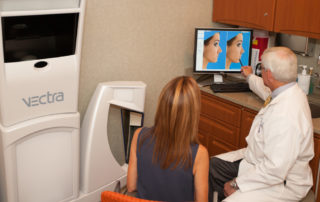
During consultation, the team can explain how questions and concerns before surgery relates to your goals, health history, procedure options, and next steps.
Every patient brings a different medical history, anatomy, lifestyle, and set of priorities. The practice uses those details to make conversations about questions and concerns before surgery personally relevant.
Questions and concerns before surgery can help patients feel informed and supported as they consider elective surgery. It is one of several important factors to evaluate alongside qualifications, communication, and treatment options.
Share your goals, health history, preferences, previous procedures, and any questions you would like addressed. Clear information helps the team make the discussion of questions and concerns before surgery more useful to you.
A consultation creates time to review questions and concerns before surgery in the context of your personal situation. You can receive clear explanations and decide whether you feel comfortable moving forward with additional planning.
Helpful questions may cover what to expect, who will participate in your care, how communication is handled, and how the practice tailors recommendations to individual patients.
Write down your priorities and questions before the visit, and bring relevant medical information when requested. This can help you have a focused, comfortable conversation about questions and concerns before surgery.
The team can provide additional details and explain how this approach relates to your individual needs. The Our Practice page also provides an overview that can help you prepare for a consultation.
The practice describes consultation and result discussions as steps that occur before surgery. New patients can use this information as a starting point when deciding whether the practice feels aligned with their needs.
Informed decision-making helps set the tone for communication, planning, and support throughout the patient experience. The practice describes consultation and result discussions as steps that occur before surgery.
During consultation, the team can explain how informed decision-making relates to your goals, health history, procedure options, and next steps.
The consultation process can help patients feel informed and supported as they consider elective surgery. It is one of several important factors to evaluate alongside qualifications, communication, and treatment options.
CallEmail GalleryDirections
[gravityform id="3" title="false" description="false" ajax="true"]
Skip to content